



Overview
Organoids are advanced 3D in vitro cell models that closely mimic the structure, microenvironment and function of human organs, acting as core cutting-edge tools for drug R&D and greatly enhancing the clinical relevance and translation efficiency of research data. We develop standardized, high-stability organoid models with rigorous construction and full-process quality control. Our models boast high structural fidelity, stable performance and excellent batch-to-batch consistency, making them ideal for high-throughput drug screening, efficacy testing and preclinical safety evaluation, and providing reliable in vivo-like experimental support for innovative drug development and clinical translation.
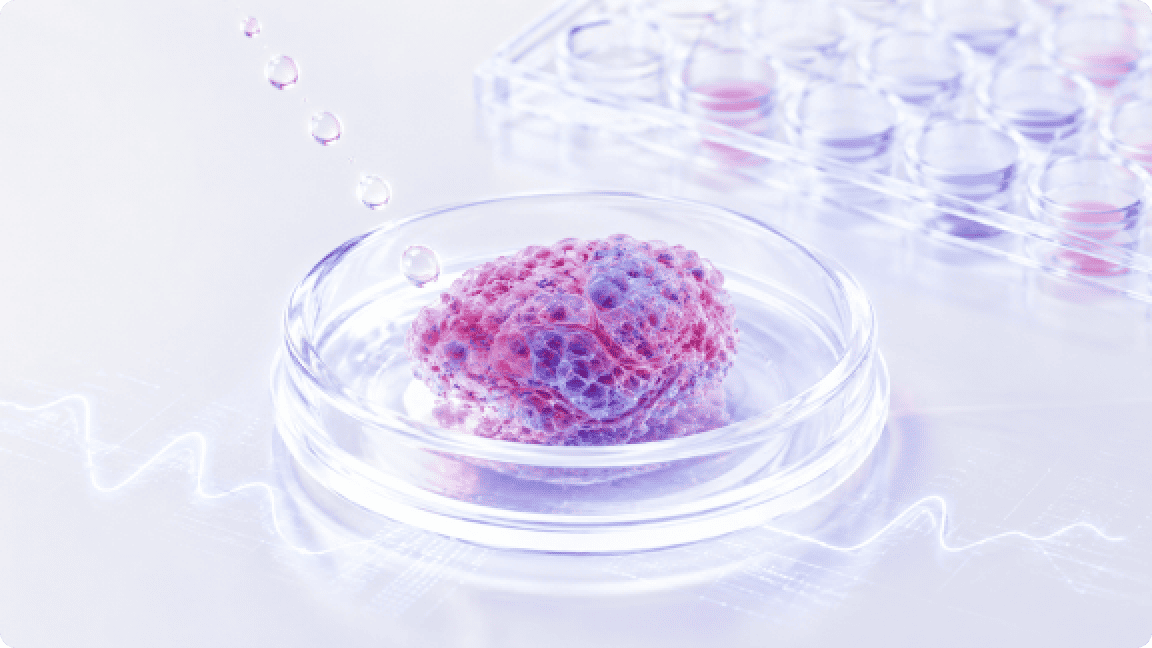

Ready-to-Use

No differentiation or complex induction required. Ready for immediate use upon delivery, cutting culture time and resources.

Highly Biomimetic

Self-assembled 3D tissue with multiple native cell types to mimic physiological microenvironments.

Stable Functional Performance
Captures tissue-specific activities and phenotypic responses for reproducible toxicity testing.

Multidimensional QC
Batch-consistent morphology, markers and function; well-controlled organoid size and structure.
Operating Videos
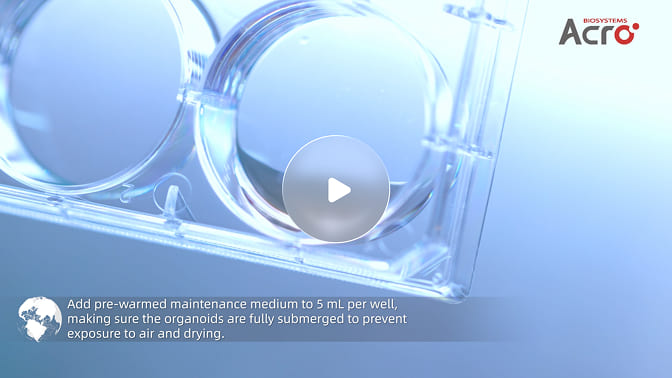
Organoid Recovery
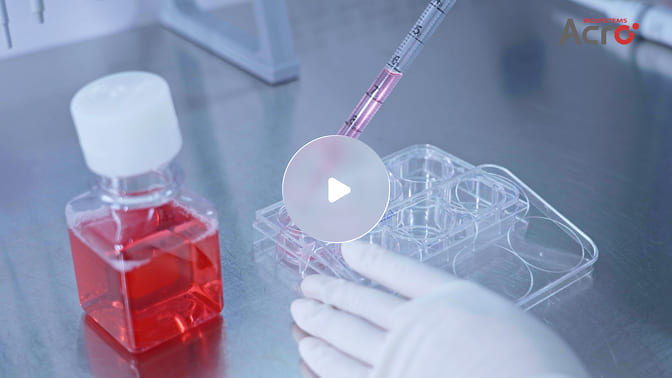
Organoid Medium Change
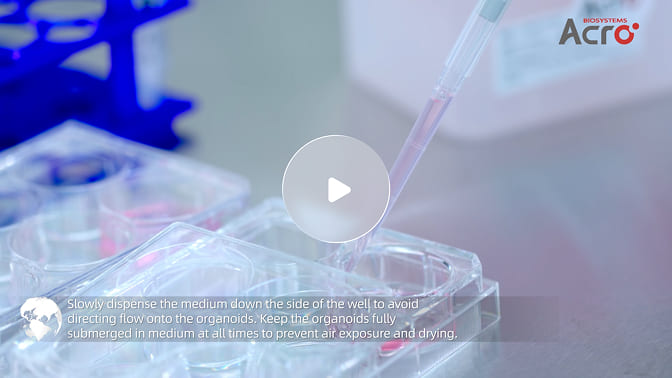
Organoid Transfer
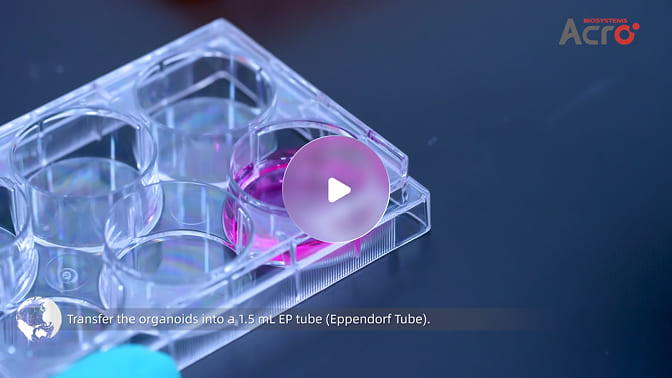
Organoid Fixation
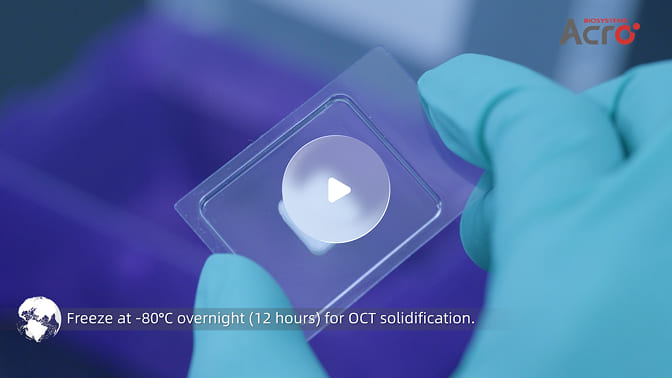
Organoid Cryosectioning
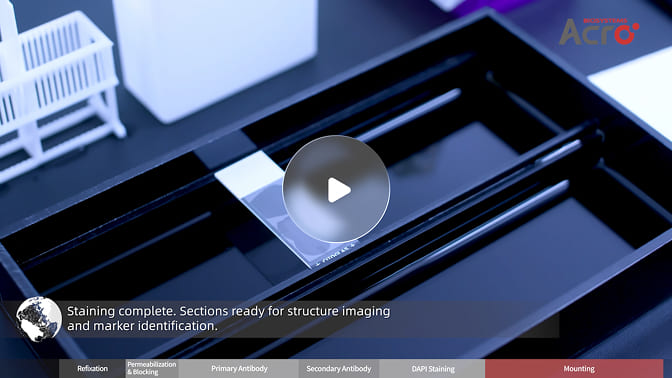
Organoid Immunostaining
Organoid Recovery
Organoid Medium Change
Organoid Transfer
Organoid Fixation
Organoid Cryosectioning
Organoid Immunostaining
Product Categories
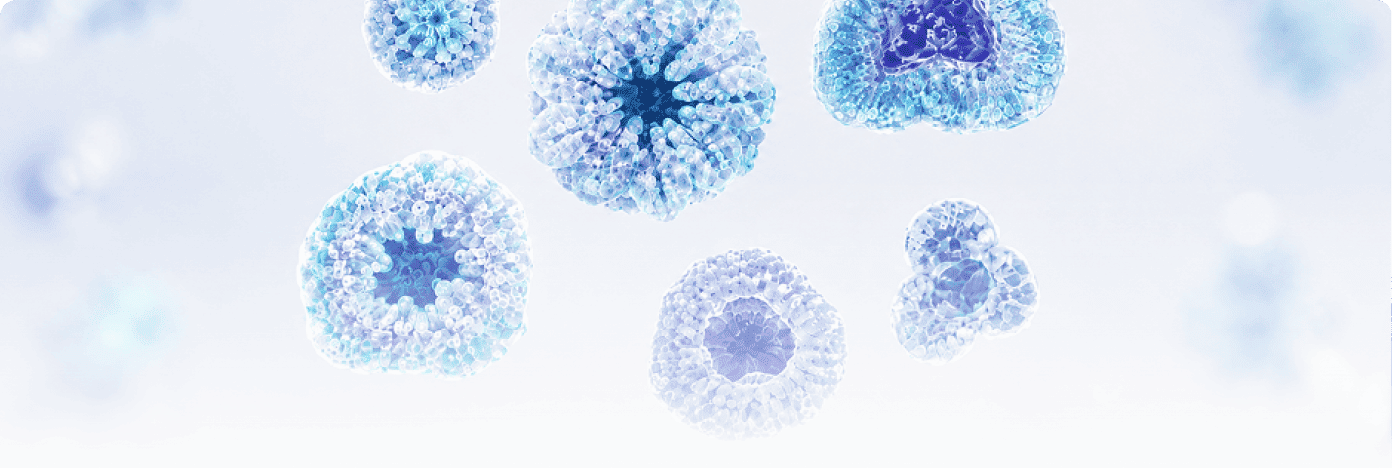
Ready-to-Use Organoids & Maintenance Kits
Physiologically relevant and functionally validated organoids for drug toxicity assessment.

Organoid Culture Reagents
Essential reagents and consumables for reliable 3D organoid culture and maintenance.
Our Services
Drug-Induced Cardiotoxicity Assessment Service
Integrated human iPSC-derived cardiac organoids with MEA technology for reliable, real-time cardiotoxicity assessment in preclinical drug development.
Learn More

FAQ
How can organoids reduce the use of animal models in preclinical testing?

How do organoids compare with 2D cell cultures?
Which organoids are used for drug toxicity testing?
What are ready-to-use organoids?
How are organoids quality-controlled for drug testing?