






 COA
COA


- Product Details
- Performance Data
- Reviews & Citations
- Resources
1/1
proA
Nanodisc-pro Human proA Protein, His Tag (APO-H5143) is expressed from E. coli system.
This protein carries a polyhistidine tag at the N-terminus. This protein is used together with nanodisc-pro protein as isotype control.
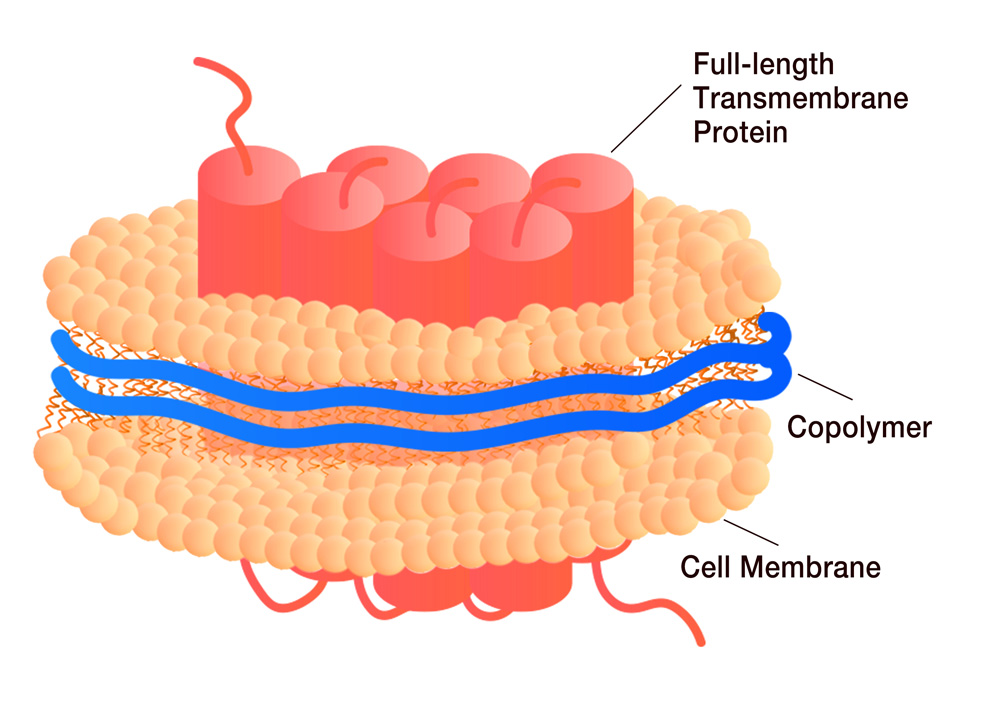
Nanodisc-pro membrane protein is wrapped by a piece of cell membrane and scaffold, the info of scaffold can be found in above red text "isotope type control...".
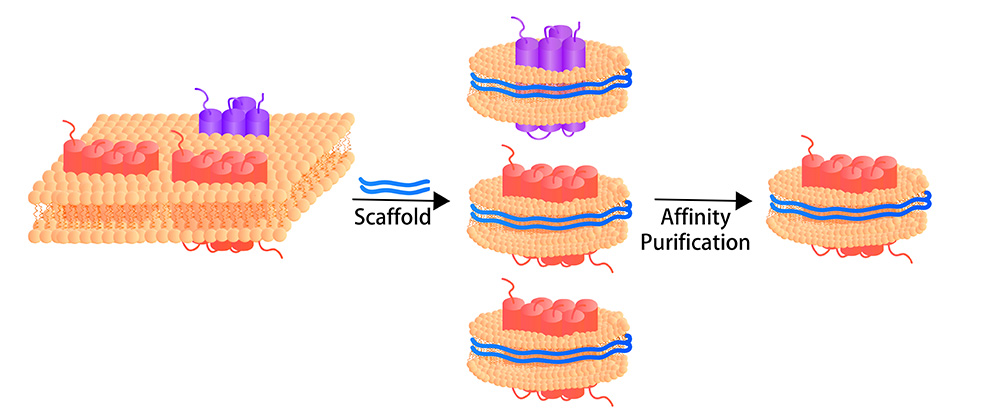
Nanodisc-pro membrane protein extraction is a gentle, non-disruptive process that directly isolates full-length transmembrane proteins together with their surrounding native phospholipids from cellular membranes, without breaking or disturbing the original membrane structure. This preserves the membrane protein's natural conformational landscape and native lipid environment, yielding stable nanodisc that retain cellular phospholipids, with fully preserved biological activity—making them ideal for cell-based assays such as FACS and binding assays in antibody discovery and screening (ELISA), etc.
>90% as determined by SDS-PAGE.
Supplied as 0.2 μm filtered solution in 20 mM HEPES, 150 mM NaCl, pH7.5 with glycerol as protectant.
Contact us for customized product form or formulation.
This product is supplied and shipped on dry ice.
Please avoid repeated freeze-thaw cycles.