LDL R

LDL R

LDL R Overview

Molecule Name
LDL receptor
Synonyms
LDLR,FH,FHC,LDLCQ2
Drug Development Progress
Drugs in Clinical Trials4
Approved Drugs0
Highest Development StagePhase 2 Clinical
Target Synonym
FHCL1,Low-density lipoprotein receptor,LDLR,LDL receptor,Low Density Lipoprotein Receptor,Low-Density Lipoprotein Receptor Class A Domain-Containing Protein 3,Familial Hypercholesterolemia,LDLCQ2,FHC,FH,Receptors, LDL
Background
Low-Density Lipoprotein (LDL) Receptor is also known as LDLR, FH, FHC, LDLCQ2, and is a mosaic protein of ~840 amino acids (after removal of signal peptide) that mediates the endocytosis of cholesterol-rich LDL. It is a cell-surface receptor that recognizes the apoprotein B100 which is embedded in the phospholipid outer layer of LDL particles. The receptor also recognizes the apoE protein found in chylomicron remnants and VLDL remnants (IDL). It belongs to the Low density lipoprotein receptor gene family. LDL receptor complexes are present in clathrin-coated pits (or buds) on the cell surface, which when bound to LDL-cholesterol via adaptin, are pinched off to form clathrin-coated vesicles inside the cell. This allows LDL-cholesterol to be bound and internalized in a process known as endocytosis and prevents the LDL just diffusing around the membrane surface. This occurs in all nucleated cells (not erythrocytes), but mainly in the liver which removes ~70% of LDL from the circulation. Synthesis of receptors in the cell is regulated by the level of free intracellular cholesterol; if it is in excess for the needs of the cell then the transcription of the receptor gene will be inhibited. LDL receptors are translated by ribosomes on the endoplasmic reticulum and are modified by the Golgi apparatus before travelling in vesicles to the cell surface. LDL is directly involved in the development of atherosclerosis, due to accumulation of LDL-cholesterol in the blood. Atherosclerosis is the process responsible for the majority of cardiovascular diseases.

LDL R Product List

Species
  • Human(5)
  • Cynomolgus(1)
  • Mouse(1)
  • Rabbit(1)
Tag
  • His Tag(3)
  • Fc Tag(2)
  • Tag Free(2)
  • His Tag & Avi Tag(1)
Host
  • HEK293(8)
Conjugate
  • Unconjugated(7)
  • Biotin-labeled(1)
Grade
  • RUO(7)
  • PG (pre-GMP)(1)
Low Endotoxin
  • Yes(2)
  • No(6)
MoleculeCat. No.Product NameSpeciesHostStructurePurityActivitySize&PriceAdd to Cart
LDL R
Human LDL R Protein, Tag Free
Human
HEK293
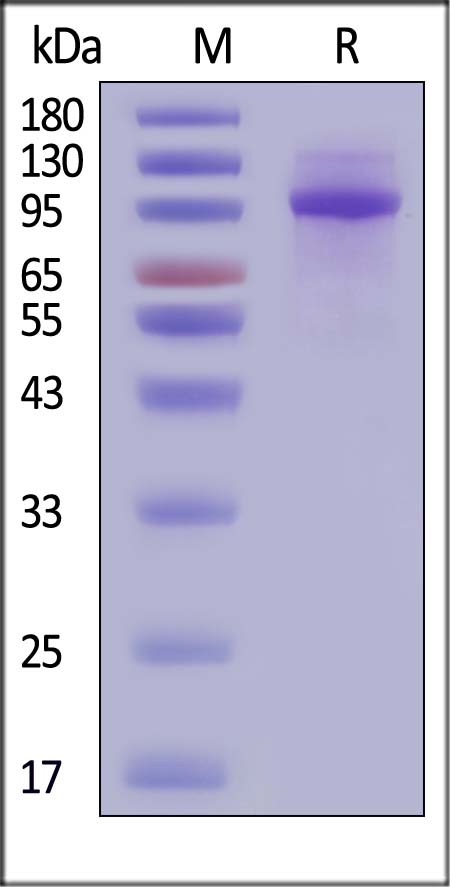
SDS-PAGE
ELISA

$380.00

100ug
LDL R
Human LDL R Protein, His Tag, low endotoxin (MALS verified)
Human
HEK293
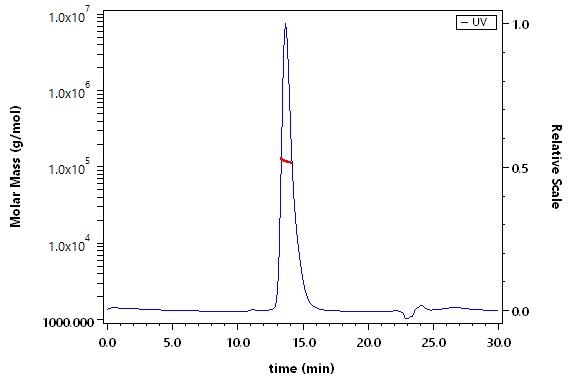
MALSSDS-PAGE
ELISABLI

$435.00

100ug
LDL R
Human LDL R Protein, Fc Tag, low endotoxin (MALS verified)
Human
HEK293
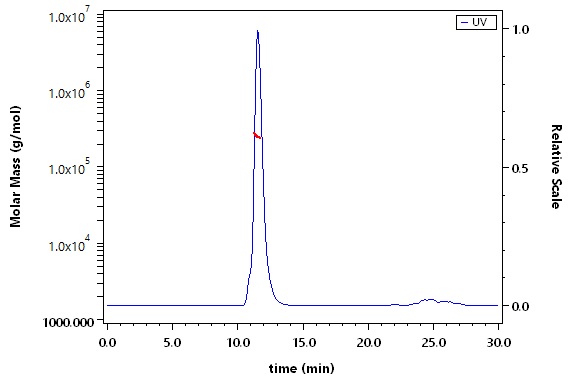
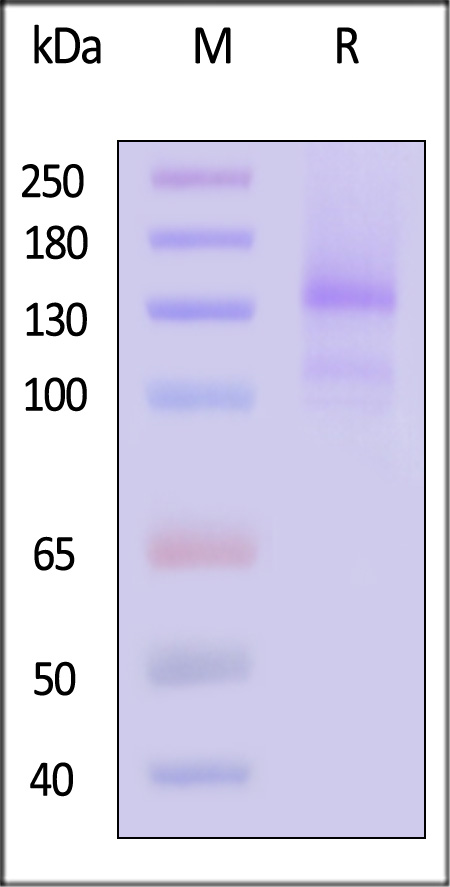
MALSSDS-PAGE
ELISA

$380.00

100ug
LDL R
HOTAvitag
LDR-H82E7
Biotinylated Human LDL R Protein, His,Avitag™
Human
HEK293
SDS-PAGE
ELISA

$415.00

25ug
LDL R
Cynomolgus LDL R Protein, His Tag
Cynomolgus
HEK293
SDS-PAGE
ELISABLI

$375.00

100ug
LDL R
Human LDL R Protein, premium grade
Human
HEK293
SDS-PAGE
ELISA

$360.00

100ug
LDL R
Mouse LDL R Protein, His Tag
Mouse
HEK293
SDS-PAGE
ELISA

$380.00

100ug
LDL R
Rabbit LDL R Protein, Fc Tag
Rabbit
HEK293
SDS-PAGE
ELISABLI

$380.00

100ug
You Have Viewed 1-8 Of 8 Results
  • 1

Can’t find what you need?

Submit your requirements and our technical
team will help.

FAQ

What validation data should I review when selecting recombinant LDLR?

Review both physicochemical characterization and functional activity data. Relevant information may include purity, molecular integrity or aggregation state, and binding activity with physiologically relevant ligands such as PCSK9 or ApoE. The validation data should also be compatible with your intended assay format and application.

How should I choose between tag-free, Fc-tagged, and biotinylated LDLR proteins?

Choose the format based on your assay design. Tag-free LDLR is suitable when minimizing potential tag-related effects is important; Fc-tagged LDLR facilitates Fc-compatible capture or immobilization workflows; and biotinylated LDLR enables controlled capture using streptavidin-based platforms. Consider the assay format, detection method, and immobilization strategy when selecting a protein.

Can recombinant LDLR be used to compare binding to different ApoE variants?

Yes. Recombinant LDLR can be used for in vitro comparisons of interactions with different ApoE variants. When interpreting the results, consider the ApoE isoform, protein construct, lipidation state, and assay conditions, as these factors may influence LDLR binding.

Why should pH be considered in LDLR–PCSK9 binding assays?

LDLR–PCSK9 binding is pH-dependent and is generally stronger under acidic conditions than at neutral pH. Therefore, pH should be selected according to the biological context and assay purpose, with conditions optimized for the specific protein constructs and assay format.

How does PCSK9 regulate LDLR, and why is their interaction important?

PCSK9 binds to LDLR and promotes its lysosomal degradation, reducing LDLR recycling to the cell surface and thereby limiting LDL uptake. Studying the PCSK9–LDLR interaction can help researchers investigate cholesterol homeostasis and evaluate molecules that modulate this pathway.
Asset Licensing Opportunity
Resources

Clinical Drug Information

English NameResearch CodeHighest Development StageCompanyIndicationClinical Trial
Phosphorylcholine monoclonal antibodyPC-mAbPhase 2 ClinicalDyax Pharma
Arteritis; Cardiovascular Diseases; ST Elevation Myocardial Infarction
Details
LLG-783 (Novartis)LLG-783Phase 2 ClinicalNovartis Pharma Ag
Details
NGGT-006NGGT-006; NGGT006Phase 1 ClinicalSuzhou Nuojiebei Biotechnology Co Ltd
Homozygous familial hypercholesterolemia
Details
68-Ga-RMX-VH68-Ga-RMX-VHClinicalRadiomedix Inc
Carcinoma, Pancreatic Ductal; Glioblastoma; Pancreatic Neoplasms
Details
Customer Reviews