Overview

Fc receptors (FcRs) play essential roles in immune regulation, linking immunoglobulin recognition to cellular responses and therapeutic applications. Their diverse functions, from antibody effector activity to immunoglobulin homeostasis, continue to drive research into immune mechanisms, antibody development, and Fc receptor-associated diseases.

Studying these processes requires reliable tools to characterize receptor binding and cellular functions. ACROBiosystems supports Fc receptor research with a comprehensive portfolio of recombinant proteins, TR-FRET binding assay kits, and engineered cell lines. From exploring receptor biology to evaluating antibody functions and investigating therapeutic strategies, our solutions support Fc receptor research across diverse applications.
Overview

Explore by Subtopics

Resources

FcRn Binding Kit

FcRn Binding Kit

Request PDF
HT-SPR Evaluation of Fc Gamma Receptor Binding using Carterra LSA

HT-SPR Evaluation of Fc Gamma Receptor Binding using Carterra LSA

Request PDF
Comprehensive Solutions for Fc Function Assessment

Comprehensive Solutions for Fc Function Assessment

Request PDF
FcRn Binding Kit

FcRn Binding Kit

Request PDF
HT-SPR Evaluation of Fc Gamma Receptor Binding using Carterra LSA

HT-SPR Evaluation of Fc Gamma Receptor Binding using Carterra LSA

Request PDF
Comprehensive Solutions for Fc Function Assessment

Comprehensive Solutions for Fc Function Assessment

Request PDF

Frequently Asked Questions

Q

What are the major types of Fc receptors?

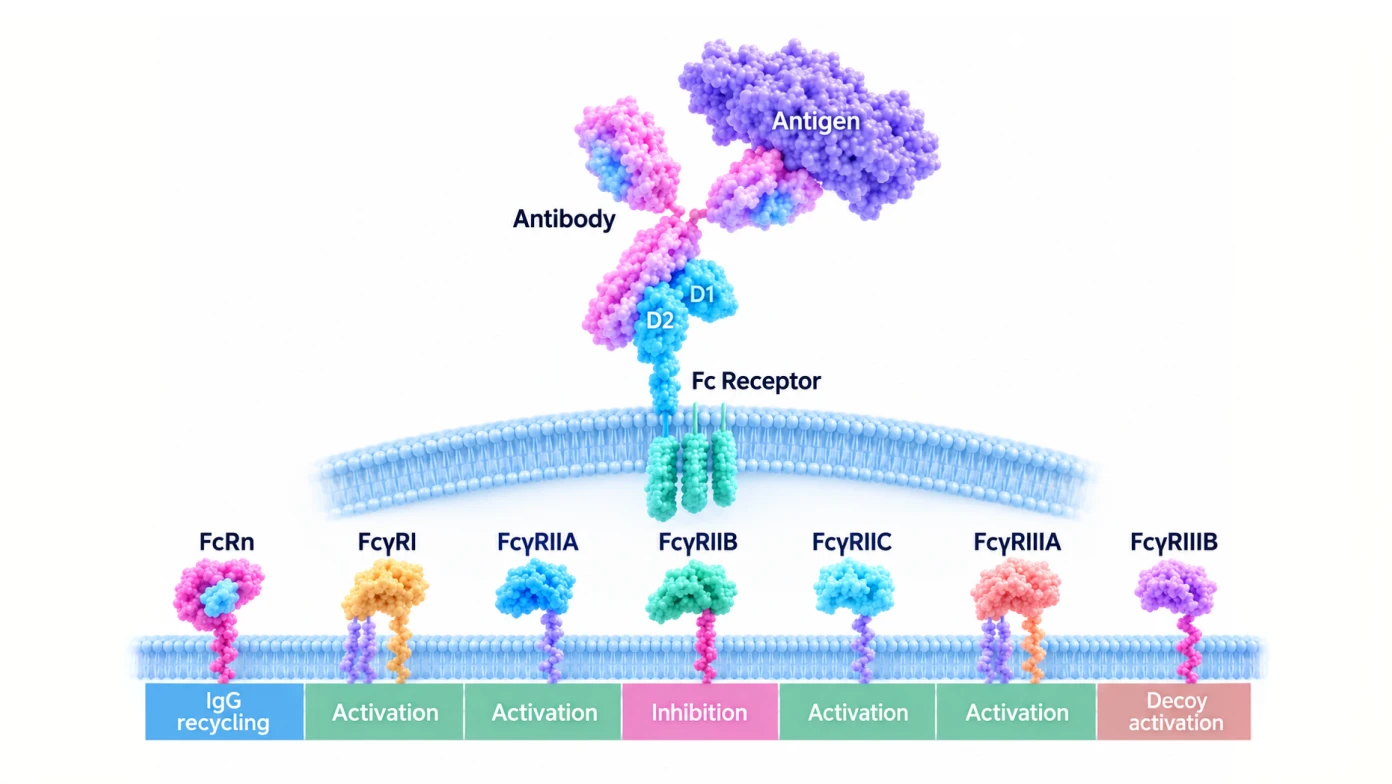
Fc receptors (FcRs) include Fcγ receptors (FcγRs), Fcε receptors (FcεRs), Fcα receptors (FcαRs), Fcμ receptors (FcμRs), and the neonatal Fc receptor (FcRn). These receptors differ in immunoglobulin specificity, structural organization, cellular distribution, and biological functions, contributing to distinct aspects of antibody-mediated immunity and immunoglobulin homeostasis.
Q

How do Fc–Fc receptor interactions influence the properties of therapeutic antibodies?

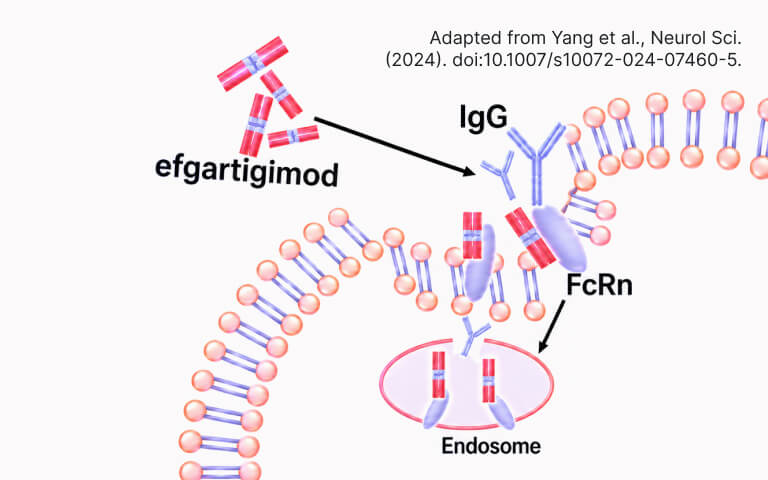
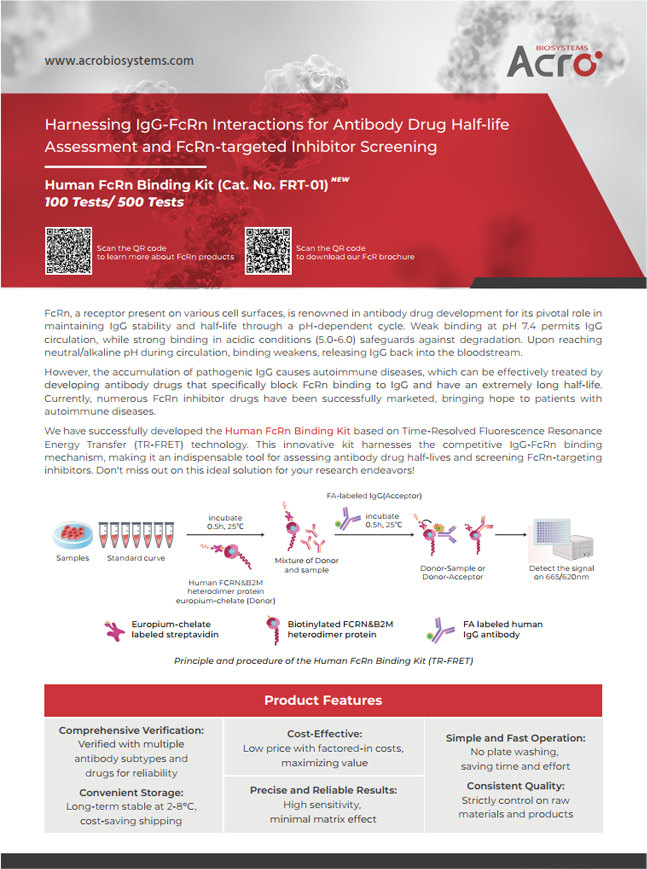
Interactions between the antibody Fc region and Fc receptors influence effector functions and pharmacokinetic properties. FcγR binding can modulate antibody-dependent cellular cytotoxicity (ADCC) and antibody-dependent cellular phagocytosis (ADCP), while pH-dependent FcRn binding regulates IgG recycling and contributes to serum half-life. These interactions are key considerations in Fc engineering and therapeutic antibody characterization.
Q

What is the role of Fc receptors in immune-mediated diseases?

Fc receptors contribute to the development and regulation of immune-mediated diseases through their effects on antibody-dependent cellular responses and immunoglobulin homeostasis. FcγRs are involved in immune complex-mediated inflammation and autoimmunity, while FcεRI plays a central role in IgE-mediated allergic reactions. FcRn regulates the persistence of circulating IgG, including pathogenic autoantibodies, and is an established therapeutic target in certain antibody-mediated autoimmune diseases.