



Overview
Organoids are physiologically relevant models for toxicity and safety assessment. Compared with conventional 2D cultures, they better recapitulate tissue architecture, electrophysiology, and organ-specific responses, providing a more representative model for preclinical research.
Within New Approach Methodologies (NAMs), organoids enable human-relevant toxicity testing and safety assessment, helping reduce reliance on animal models and support more translational research.
ACROBiosystems offers validated organoid models and supporting culture kits to enable reproducible toxicity screening and translational safety assessment with human-relevant data.
Featured Articles
 Hot
HotSep 24, 2026
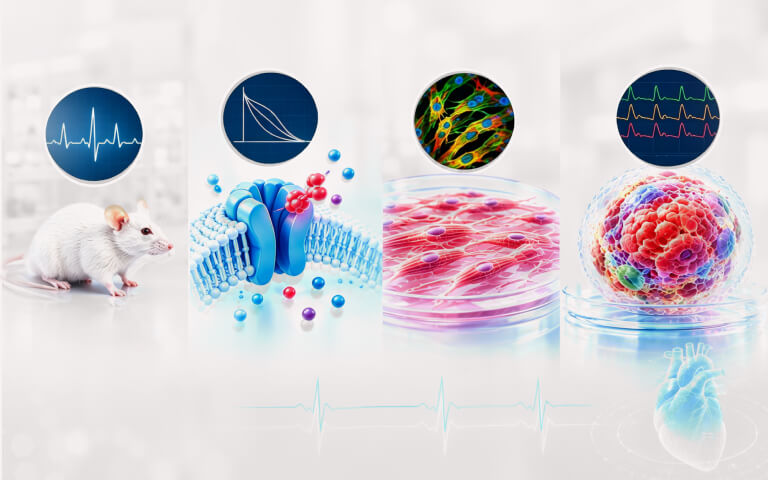
Hot From Human-Relevant to More Predictive: The Evolution of Cardiac Safety Models
This article reviews the progression from animal models and hERG screening to 2D hiPSC-CMs and cardiac organoids,highlighting how increasingly complex models may help capture tissue-level responses and improve the translational value of preclinical cardiac safety evaluation.
Read more

Get ACRO Insights in Your Inbox
Receive expert perspectives, research trends, and workflow guidance across emerging therapeutic fields.
Get ACRO Insights in Your Inbox
Frequently Asked Questions
What are organoids?
How are organoids used for toxicity assessment in NAMs?
What organoid solutions does ACROBiosystems offer?
Explore More Topics

Cell and Gene Therapy

Antibody-Drug Conjugates

CMC Manufacturing & QC

Bispecific Antibodies

Disease Areas

Vaccines

Research & Innovation