



 Nov 12, 2026
 Page Views:47


CLDN18.2 is a four-pass transmembrane tight junction protein. Its localization in normal gastric tissue and the change in accessibility on tumor surfaces provide the biological basis for recognition by therapeutic antibodies. From monoclonal antibodies (mAbs) to antibody-drug conjugates (ADCs), and further to bispecific antibodies and chimeric antigen receptor T-cell (CAR-T) therapy, CLDN18.2 is becoming a target of shared interest across multiple therapeutic modalities. Clinical progress brings not only new pipelines but also new research directions: a deeper understanding of the role of the same target under different therapeutic mechanisms, and the use of well-matched antigen tools to better connect early screening with subsequent validation [1, 2, 3].
01 CLDN18.2 Clinical Progress / R&D Value
In the CLARITY-Gastric01 study presented at the 2026 ESMO Congress, the CLDN18.2-targeted ADC sonesitatug vedotin achieved a median overall survival (OS) of 10.0 months in patients who had previously received at least two lines of systemic therapy (systemic anticancer treatment), compared with 5.0 months in the control group, with a hazard ratio (HR) of 0.47 [4]. This survival benefit provides a new basis for drug development and a new direction for therapeutic exploration in patients who require further treatment after prior therapy.
In the first-line setting, zolbetuximab was approved by the U.S. FDA on October 18, 2024, in combination with fluoropyrimidine- and platinum-containing chemotherapy for CLDN18.2-positive, HER2-negative locally advanced unresectable or metastatic gastric or gastroesophageal junction adenocarcinoma. It had earlier been approved in Japan in March 2024[5] and was subsequently approved by China’s NMPA in December 2024[6]. Notably, according to Astellas, approximately 35% of Chinese patients with advanced gastric or gastroesophageal junction cancer have CLDN18.2-positive tumors.[7]
From the approved use of zolbetuximab in combination with chemotherapy to the studies of ADCs in previously treated patients, the value of CLDN18.2 has extended from target recognition to different therapeutic mechanisms. Conducting validation according to the research stage and applicable population of each therapy helps progressively clarify its application value.
02 The Role of CLDN18.2 in Different Therapeutic Modalities
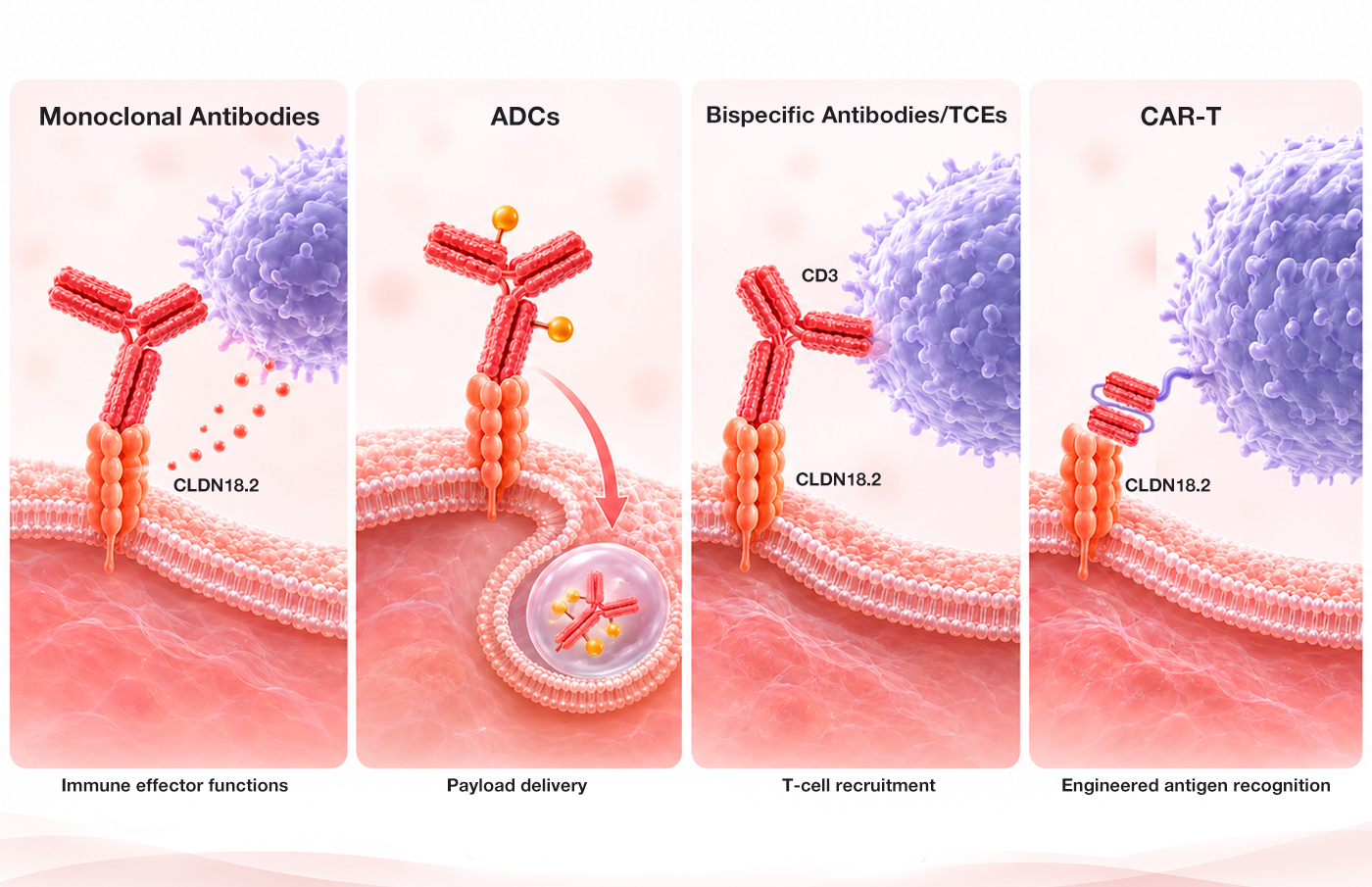
Figure 1: Four CLDN18.2-targeted therapeutic modalities.
Monoclonal Antibodies: From Target Recognition to Immune Effector Functions
Monoclonal antibodies use CLDN18.2 as the tumor-binding target and mobilize immune effector functions after binding. Taking zolbetuximab as an example, its binding can trigger antitumor effects through antibody-dependent cell-mediated cytotoxicity (ADCC) and complement-dependent cytotoxicity (CDC) [3, 8].
ADCs: Translating Target Recognition into Payload Delivery
ADCs recognize CLDN18.2 through their antibody component, combining tumor targeting with cytotoxic payload delivery. After the antibody component binds to the cell-surface target, the ADC is internalized into the cell. The payload is then released and exerts its effects in a manner that depends on the specific linker and molecular design. Clinical studies in previously treated patients have shown the potential of this therapeutic approach [3].
Bispecific Antibodies/TCEs: Linking Tumor Recognition with T-Cell Recruitment
CLDN18.2×CD3 bispecific antibodies/TCEs (T-cell engagers) connect tumor cells and T cells through two recognition ends: one end binds CLDN18.2 on the tumor cell surface and the other binds CD3 on T cells, bringing the two cell types into proximity and enabling T-cell-mediated tumor killing [3].
CAR-T: Providing an Antigen Recognition Target for Cell Therapy
CAR T cells recognize CLDN18.2 on the surface of tumor cells through engineered chimeric antigen receptors (CARs) expressed on their surface. CLDN18.2 thus serves as an antigen target for cell therapy against solid tumors [3, 9].
03 R&D Tools Required to Develop Drugs Against the CLDN18.2 Target
Drug development around CLDN18.2 requires selecting appropriate tools according to the research stage. In early antibody research, transmembrane protein antigens can be used for screening, binding evaluation, and affinity analysis, helping to discover and assess candidate antibodies that recognize the target epitope [10]. At the cell-level validation stage, cell lines expressing CLDN18.2 can be used to detect the recognition of cell-surface targets by candidate antibodies, with targeted binding evaluated in conjunction with negative controls. Depending on the mechanism of action of the candidate drug, internalization, immune effector functions, or tumor killing can be further investigated in corresponding cell-based functional evaluation systems.
These tools provide mutually complementary evidence: transmembrane protein antigens help confirm target epitope binding, cell lines test cell-surface recognition, and cell-based functional evaluation systems further assess the intended effects. Connecting the three types of results allows the binding signals from early screening to be progressively translated into a basis for optimizing candidate molecules, making the judgment from antibody discovery to functional validation more complete.
04 ACRO’s CLDN18.2 Products and Application Validation
To address the needs of antibody discovery and cell-level validation, ACRO offers four CLDN18.2 antigen formats—VLP (virus-like particle), Detergent, Nanodisc, and Nanodisc-Pro (nanodiscs retaining cell-derived phospholipids)—together with companion stable cell lines and SPR (surface plasmon resonance)/BLI (biolayer interferometry) analytical services.
The HEK293/Human Claudin-18.2 Stable Cell Line is engineered to express full-length human CLDN18.2, and its cell-surface expression has been verified by flow cytometry; it can be used for cell-level CLDN18.2 binding detection.
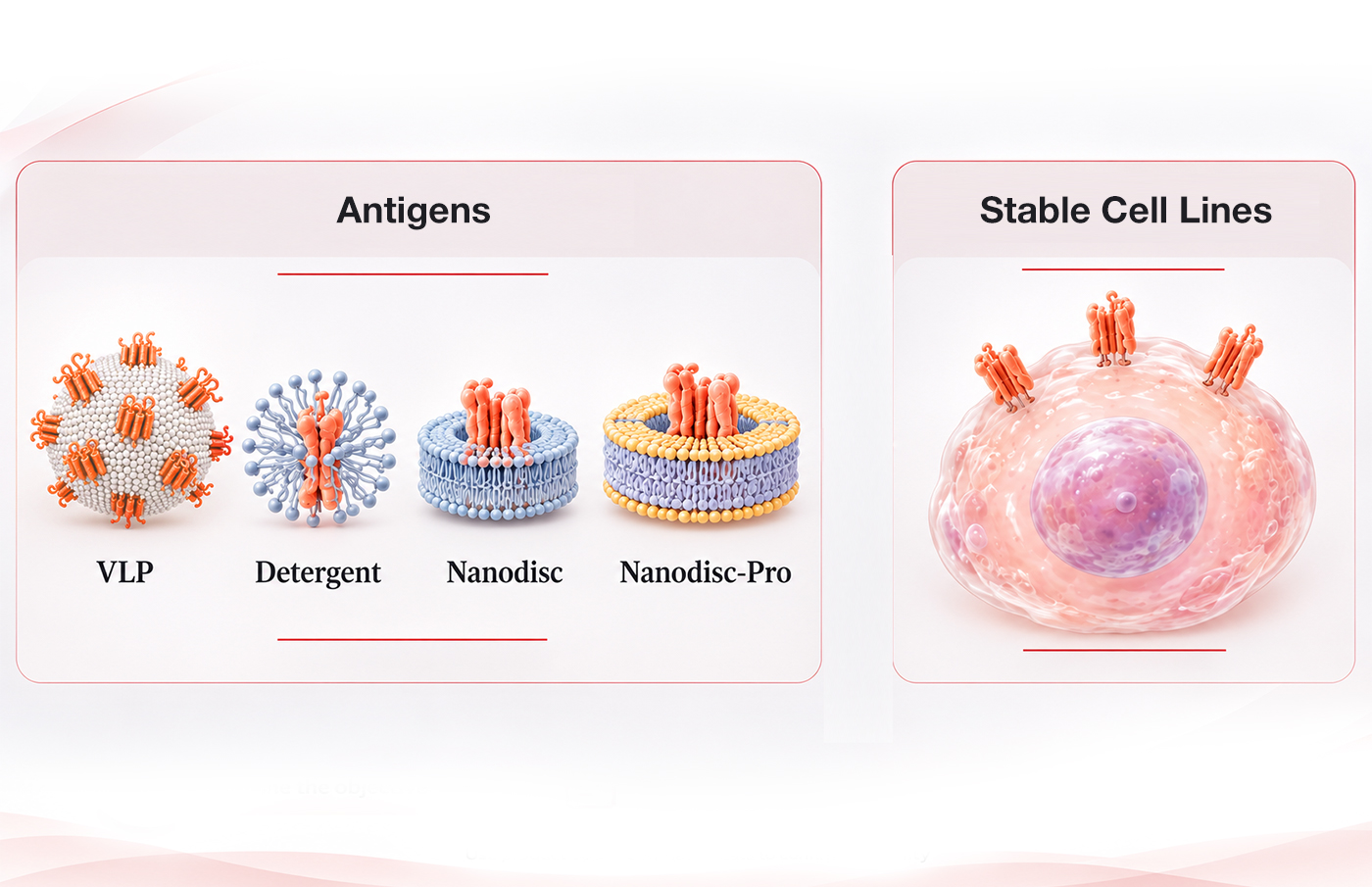
Figure 2: CLDN18.2 transmembrane protein products and stable cell lines.
CLDN18.2-VLP: Multivalent Antigen Display
Through particle budding, VLPs display the full-length protein in its native topology at high density and in a multivalent manner on the particle surface, which is conducive to eliciting immune responses and enriching antigen-specific clones.
CLDN18.2-Detergent: A Quantifiable Antigen
Detergents solubilize the protein by using amphipathic molecules to envelop the transmembrane regions; with a well-established process and high yields, this format is suitable for routine binding and quantitative assays.
CLDN18.2-Nanodisc: Water-Soluble Lipid Bilayer Reconstitution
Nanodiscs consist of a synthetic lipid bilayer enveloped by MSP (membrane scaffold protein), with the protein embedded in the center. After detergent removal, no free detergent remains, making this format suitable for conformational and kinetic evaluation in a membrane-like environment.
CLDN18.2-Nanodisc-Pro: Retention of Native Lipids
Nanodisc-Pro uses a copolymer to surround the target protein and native phospholipids in situ and extracts them together with native membrane, without detergent-based reconstitution, delivering the highest fidelity of conformation and activity.
HEK293/Human Claudin-18.2 Stable Cell Line:Stable cell-surface target expression
Claudin-18.2 Stable Cell Line (Cat. No. CHEK-ATP033) stably expresses full-length human CLDN18.2 on the cell surface, providing a physiologically relevant membrane environment that supports native target conformation and consistent expression across passages, making it suitable for cell-based binding assays and antibody screening.
From Target Potential to R&D Practice
The value of CLDN18.2 is expanding from a target for individual drugs into an R&D entry point that connects multiple therapeutic mechanisms. The immune effector functions of monoclonal antibodies, the payload delivery of ADCs, the cell bridging of bispecific antibodies, and the antigen recognition of CAR-T demonstrate the possibility of leveraging the same target across different drug development pathways. As research continues to advance, the R&D focus is shifting from “whether binding occurs” to “how binding translates into function and which patients are more likely to benefit.” Linking target biology, molecular design, and tiered validation helps provide a more solid basis for the subsequent optimization of therapeutic strategies.
In this process, ACRO’s multi-format antigens not only provide more product choices but also offer well-matched observation and validation tools for different R&D questions: from epitope presentation in the membrane environment, to binding analysis of candidate molecules, and further to the connection with cell-based functional evaluation, making early results more interpretable and establishing a basis for subsequent optimization. Going forward, the synergy of antigen construction, detection methods, and functional models will become an important support for translating target potential into R&D practice. Only by connecting every stage with reliable evidence and assessing efficiency and value within actual workflows can the diversity of tools truly serve the quality of R&D decisions and create the conditions for more precise drug development.