BCMA-Targeted Therapies: CAR-T Success, Emerging Immunotherapy Platforms, and Future Trends
 Publication Date:2026-05-28
 Page Views:478
Introduction to BCMA and Its Role in CAR-T Therapy
B-cell maturation antigen (BCMA), also known as TNFRSF17, is a member of the tumor necrosis factor receptor superfamily primarily expressed on plasma cells and late-stage B cells. Importantly, BCMA shows highly restricted expression in normal tissues while being broadly and consistently overexpressed in malignant plasma cells, making it an ideal target for CAR-T therapy in multiple myeloma (MM).
BCMA signaling supports plasma cell survival through interaction with its ligands APRIL and BAFF, contributing to tumor proliferation, immune evasion, and drug resistance. Due to its tumor specificity and biological relevance, BCMA rapidly emerged as the leading CAR-T target in relapsed/refractory multiple myeloma (RRMM).
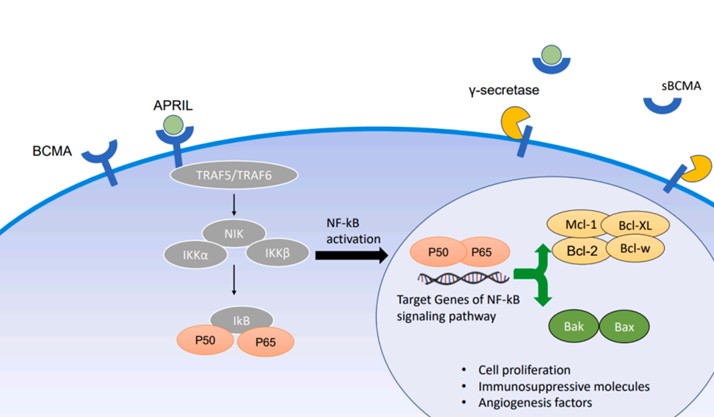
Figure 1. The APRIL/BCMA pathway. (doi: 10.1016/j.omton.2025.201044.)
Why BCMA Became a Preferred Target for Multiple Myeloma?
- High Tumor Specificity:Compared with other hematologic targets, BCMA demonstrates limited expression outside the plasma cell lineage, reducing the risk of severe off-tumor toxicity.
- Stable Expression in MM:BCMA is expressed in the majority of MM patients across disease stages, including heavily pretreated populations, supporting broad therapeutic applicability.
- Strong Clinical Activity:BCMA-directed CAR-T therapies have demonstrated remarkable overall response rates (ORR), deep remission, and prolonged progression-free survival (PFS) in RRMM patients who previously failed multiple lines of therapy.
FDA-Approved BCMA CAR-T Cell Therapies
To date, the U.S. FDA has approved two BCMA-targeted CAR-T cell therapies for multiple myeloma treatment: ABECMA and CARVYKTI.
Table 1. FDA-Approved BCMA-Targeted CAR-T Cell Therapies
| Product | Generic Name | Company | FDA Initial Approval | Current Indication | Key Clinical Features |
|---|---|---|---|---|---|
| ABECMA | Idecabtagene vicleucel (ide-cel) | Bristol Myers Squibb | March 2021 | RRMM after ≥2 prior therapies | First FDA-approved BCMA CAR-T therapy |
| CARVYKTI | Ciltacabtagene autoleucel (cilta-cel) | Johnson & Johnson / Legend Biotech | February 2022 | RRMM after ≥1 prior therapy | Ultra-high ORR and deep durable responses |
- ABECMA (ide-cel):ABECMA was the first BCMA-targeted CAR-T therapy approved by the FDA for RRMM patients. Clinical studies demonstrated substantial efficacy in heavily pretreated patients, leading to expanded approval into earlier treatment lines in 2024.
- CARVYKTI (cilta-cel):CARVYKTI demonstrated exceptionally deep and durable responses in CARTITUDE studies, becoming the first BCMA-targeted therapy approved for use as early as first relapse in MM.
Clinical Advantages of BCMA CAR-T Therapy
- High Response Rates:BCMA CAR-T therapies routinely achieve ORRs exceeding 70--95% in RRMM clinical trials, significantly outperforming conventional salvage therapies.
- Deep Molecular Remission:Many patients achieve stringent complete response (sCR) and minimal residual disease (MRD) negativity, supporting durable disease control.
- One-Time Personalized Therapy:Unlike continuous antibody or small molecule treatment, CAR-T therapy offers a single-infusion strategy with the potential for long treatment-free intervals.
Key Challenges of BCMA CAR-T Therapy
- Cytokine Release Syndrome (CRS) and Neurotoxicity:CRS and immune effector cell-associated neurotoxicity syndrome (ICANS) remain major safety concerns associated with BCMA CAR-T therapy.
- Antigen Escape and Relapse:Some patients relapse due to BCMA downregulation or antigen loss, highlighting the need for dual-target or next-generation CAR designs.
- Manufacturing Complexity:Autologous CAR-T production requires individualized manufacturing, creating challenges related to cost, scalability, and turnaround time.
- Long-Term Safety Monitoring:FDA continues long-term monitoring of CAR-T therapies due to concerns regarding secondary malignancies and delayed toxicities.
Emerging Trends and Expanded Applications of BCMA
With the continuous advancement of cell therapy and immunotherapy technologies, BCMA is no longer limited to conventional CAR-T therapy for multiple myeloma. Instead, it is rapidly evolving into a versatile immunotherapeutic target spanning multiple technology platforms and disease areas. During 2025--2026, several key development trends are emerging around BCMA.
(1) BCMA Applications Are Expanding Beyond CAR-T Into Multiple Immunotherapy Platforms
Initially, BCMA was primarily utilized in CAR-T therapies for relapsed/refractory multiple myeloma (RRMM). However, in recent years, a broader therapeutic ecosystem has been established around the BCMA target.
Table 2. Current BCMA-Related Therapeutic Platforms
| Technology Platform | Representative Approaches | Development Trend |
|---|---|---|
| CAR-T | ide-cel, cilta-cel | Expanding toward earlier-line treatment |
| Bispecific Antibodies (BsAb) | BCMA×CD3 | Rapid commercial expansion |
| ADC | BCMA-targeted ADCs | Improved safety and accessibility |
| CAR-NK | Allogeneic NK platforms | Reduced toxicity and manufacturing cost |
| in vivo CAR-T | In vivo CAR gene delivery | Next-generation therapeutic direction |
| Multi-specific TCEs | BCMA-based multi-target strategies | Reducing antigen escape |
Among these approaches, BCMA×CD3 bispecific antibodies are becoming one of the fastest-growing BCMA therapeutic modalities outside of CAR-T therapy. Compared with autologous CAR-T, bispecific antibodies offer significant "off-the-shelf" advantages, including improved treatment accessibility, flexible dosing, and shorter manufacturing timelines.
Meanwhile, emerging technologies such as in vivo CAR-T, CAR-NK, and multi-specific T-cell engagers (TCEs) are further driving BCMA from a single cell therapy target toward a broader integrated immunotherapy platform.
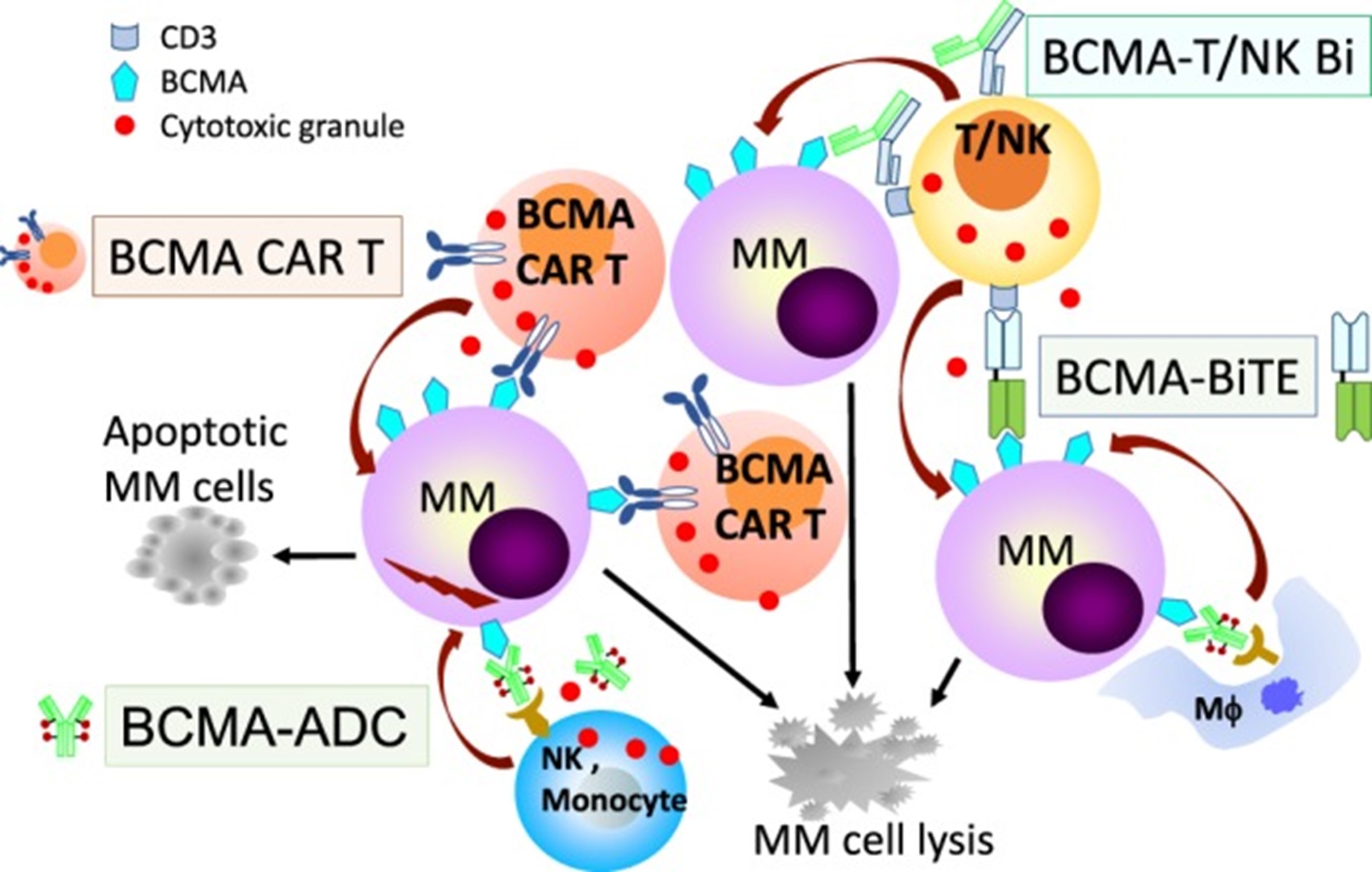
Figure 2. BCMA-Based Immunotherapies. (doi: 10.3389/fimmu.2018.01821.)
(2) BCMA Is Expanding Into Autoimmune Disease Applications
This represents one of the most notable BCMA development trends in 2025--2026.
Beyond multiple myeloma, studies have demonstrated that BCMA is highly expressed on long-lived plasma cells, which serve as a major source of pathogenic autoantibodies in various autoimmune diseases.
As a result, BCMA-based therapies are increasingly being explored for:
- Deep depletion of pathogenic plasma cells
- Immune system reconstitution
- Achieving "immune reset" strategies
Table 3. Key Emerging Directions in BCMA-Targeted Therapy
| Autoimmune Disease | BCMA-Related Therapeutic Strategy |
|---|---|
| Systemic Lupus Erythematosus (SLE) | BCMA CAR-T / TCE |
| Multiple Sclerosis (MS) | Plasma cell depletion |
| Sjögren's Syndrome | Long-lived plasma cell exhaustion |
| Rheumatoid Arthritis (RA) | BCMA-based combination immunotherapy |
Current industry strategies are gradually shifting from:
- "B-cell depletion alone"
toward:
- "Simultaneous depletion of both B cells and pathogenic plasma cells."
Consequently, combinational targeting strategies involving BCMA and CD19 are emerging as an important direction for next-generation autoimmune CAR-T therapies.
Conclusion and Future Perspectives
BCMA has evolved from a single-target CAR-T antigen for multiple myeloma into a comprehensive platform target spanning CAR-T, bispecific antibodies, ADCs, CAR-NK therapies, and autoimmune disease applications.
Looking forward, continued advancements in:
- Dual-target designs
- Off-the-shelf cell therapies
- in vivo CAR-T technologies
- Autoimmune disease expansion
- Combination treatment strategies
are expected to further accelerate the development of next-generation immunotherapies.
In the future, BCMA is likely to become a foundational target not only for plasma cell-related malignancies, but also for immune reconstitution therapies and broader immune-mediated diseases.
Featured BCMA Proteins for Immunotherapy Research
ACROBiosystems provides a comprehensive portfolio of high-quality BCMA target proteins, including unlabeled and fluorescently labeled formats, to support a wide range of applications such as animal immunization, scFv screening, CAR expression detection, quality control and release assays, and clinical pharmacokinetic (PK) studies. These products are designed to comprehensively accelerate the research and development of BCMA-related therapeutics across multiple immunotherapy platforms.

References
1. Chan CH, Yang X, Lyu M, Chen Z, Liu Y, Zhang G, Yu Y. Targeting BCMA in multiple myeloma: A comprehensive review of immunotherapeutic strategies and clinical outcomes. Mol Ther Oncol. 2025 Aug 30;33(4):201044. doi: 10.1016/j.omton.2025.201044.
2. Cho SF, Anderson KC, Tai YT. Targeting B Cell Maturation Antigen (BCMA) in Multiple Myeloma: Potential Uses of BCMA-Based Immunotherapy. Front Immunol. 2018 Aug 10;9:1821. doi: 10.3389/fimmu.2018.01821. PMID: 30147690; PMCID: PMC6095983.
 Popular ArticlesRelated RecommendationsPopular Events
 AI-Assisted Bispecific Antibody Development: From Target Pairing Prediction to Experimental Validation2026-07-31Page Views:52
 The Brain's Fountain of Youth: How Modern Neuroscience Is Decoding Healthy Brain Aging2026-07-31Page Views:22
 In Vivo CAR-T Therapy: Next-Generation CAR-T Cell Engineering and Gene Delivery Advances2026-07-29Page Views:47
 A Comprehensive Guide to Sterility Testing in Biopharmaceutical Manufacturing: From Compendial Methods to qPCR-Based Rapid Testing2026-07-27Page Views:67
 Biomarkers: Enabling Precision Assessment of Cardio-Kidney-Metabolic (CKM) Syndrome2026-07-24Page Views:97





 Related Products